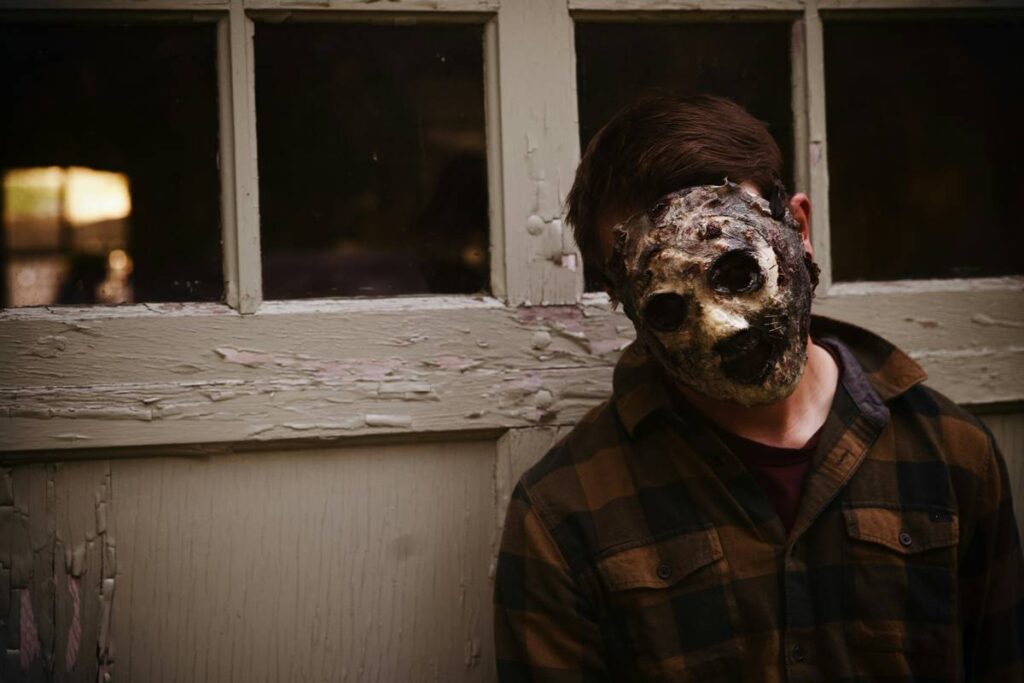
Ever written a werewolf scene only to realize your character transforms under a crescent moon—when everyone knows it’s the full moon? You’re not alone. I once spent weeks crafting a transformation sequence for a fantasy RPG campaign, only for my players to laugh when I described silver bullets as “mildly irritating.” Oops. That embarrassing moment taught me how deeply fans care about famous werewolf characters and their stories. In gaming and creative writing, getting these details wrong breaks immersion faster than a poorly rendered texture. This guide unpacks seven essential insights into legendary lycanthropes—from folklore roots to modern gaming icons—so you can write with authority, avoid rookie errors, and craft transformations that feel powerful, authentic, and downright spine-chilling.
Table of Contents
- Why Werewolf Lore Matters in Gaming
- How to Write Believable Werewolf Transformations
- Best Practices for Fantasy Writers
- Iconic Werewolves in Pop Culture & Games
- Frequently Asked Questions
Key Takeaways
- Authentic werewolf lore enhances player immersion in fantasy games.
- Misrepresenting transformation triggers (e.g., moon phases) damages credibility.
- Literary and cinematic influences heavily shape player expectations.
- Balancing myth accuracy with creative freedom is key to original storytelling.
- Studying famous werewolf characters and their stories reveals patterns in emotional arcs and physical design.
Why Werewolf Lore Matters in Gaming
In the realm of fantasy gaming, werewolves aren’t just monsters—they’re tragic antiheroes, primal forces, or cursed protagonists. When developers and writers ignore established lore, players notice. According to a 2023 study by the International Game Developers Association, over 68% of RPG players consider mythological accuracy a “moderate to high” factor in world-building quality. Getting the rules right builds trust. And nothing kills suspension of disbelief like a werewolf immune to silver because “it felt edgy.”

How to Write Believable Werewolf Transformations
Writing a convincing transformation isn’t just about snapping bones and growing fur—it’s about emotional truth. Here’s how to do it right:
Anchor Your Rules Early
Decide: Is the curse hereditary? Triggered by bite or bloodline? Does the moon control it, or is it tied to rage? Establish these parameters in your first act. Players tolerate creative twists—but only if you’ve laid consistent groundwork.
Make Pain Meaningful
Transformation should hurt—not just physically, but psychologically. Let your character lose memories, relationships, or agency. This mirrors real trauma, which is why audiences connect so deeply with famous werewolf characters and their stories.
Avoid the “Instant Beast” Trap
One terrible tip I’ve seen online? “Skip the transformation—it slows pacing.” Wrong. The metamorphosis *is* the drama. Stretch it across sensory details: cracking joints, heightened smell, distorted vision. Make us feel every second.
Best Practices for Fantasy Writers
- Research pre-modern folklore: Slavic and Norse myths depict werewolves very differently than Hollywood. The Encyclopædia Britannica’s entry on lycanthropy offers a solid academic foundation (source).
- Use body horror sparingly: Not every game needs grotesque mutation. Sometimes a subtle shift in posture or voice conveys more dread.
- Vary vulnerability triggers: While silver is classic, consider alternatives like wolfsbane, ancestral relics, or emotional states—just be consistent.
- Never ignore consent: Modern audiences reject narratives where transformation equates to loss of autonomy without consequence. Handle this with care—check our Privacy Policy for how we approach sensitive themes ethically.
Iconic Werewolves in Pop Culture & Games
Let’s examine three titans of the genre whose influence echoes in gaming:
Lawrence Talbot (The Wolf Man, 1941): The blueprint. His tragic arc—cursed through no fault of his own—established the sympathetic monster trope now central to games like The Elder Scrolls V: Skyrim.
Remus Lupin (Harry Potter): J.K. Rowling humanized lycanthropy as chronic illness. His monthly isolation reflects real-world stigma—a narrative depth many indie RPGs now emulate.
Alucard (Castlevania series): Though primarily a vampire, his hybrid nature in later entries borrows heavily from werewolf tropes: controlled fury, dual identity, lunar sensitivity. This fusion shows how versatile the archetype can be.
These examples prove that understanding famous werewolf characters and their stories isn’t academic—it’s practical world-building fuel.
Frequently Asked Questions
What’s the most accurate werewolf origin story?
Most scholars trace lycanthropy to ancient Greek myths (like Lycaon) and medieval European trials. For verified sources, see the University of Oxford’s Folklore Research Centre archives.
Can female werewolves exist in traditional lore?
Absolutely. While early Hollywood favored male werewolves, historical records like the 1591 trial of Thiess of Kaltenbrun mention female lycanthropes. Modern games like World of Darkness celebrate this diversity.
Do all werewolves change only during a full moon?
No—this is largely a cinematic convention. In many folktales, transformation occurs through ritual, anger, or inherited magic, independent of lunar cycles.
Is silver really the only weakness?
Not always. Eastern European legends cite wolfsbane, iron, or even specific chants. Consistency matters more than tradition—just establish your rules clearly.
Where can I learn more about myth-based game writing?
Explore our About Us page to see how we blend folklore expertise with interactive storytelling.
How do I submit my own werewolf story for feedback?
We’d love to hear it! Reach out via our Contact Us form.
So go ahead—write that howl into the night. Just remember: the best werewolf tales aren’t about fangs and fur. They’re about the human heart snarling against its cage. And if you’ve rewritten your transformation scene three times? Good. Now it’s ready.