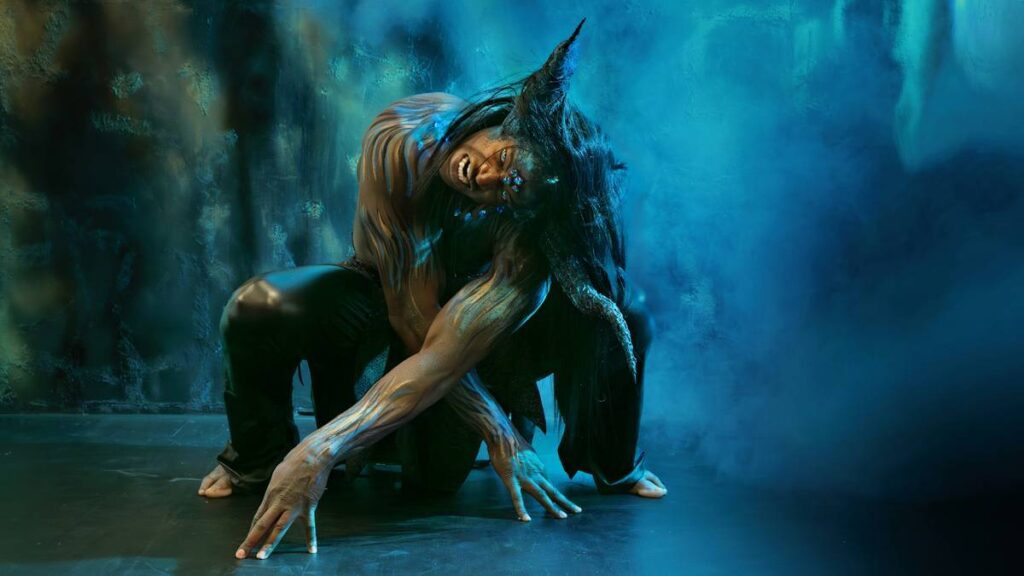
Ever poured your soul into a werewolf transformation scene—only to realize it reads like a rejected episode of a 90s teen drama? You’re not alone. As someone who once described a protagonist’s first shift as “like stretching after a nap” (yes, really), I’ve learned the hard way that crafting compelling lycanthropy takes more than moonlit metaphors and fur descriptions. Whether you’re a game designer building immersive lore or a reader seeking authentic narratives, knowing the authors of werewolf books who nail this tricky sub-genre is essential. In this guide, we’ll explore why their work stands out in gaming-adjacent fantasy fiction, spotlight top creators, and reveal actionable tips to level up your own storytelling—or bookshelf.
Table of Contents
- Why Werewolf Authors Matter in Gaming
- How to Evaluate Werewolf Fiction Like a Pro
- Best Practices for Fantasy Transformation Stories
- Real-World Successes in Werewolf Fiction
- Frequently Asked Questions
Key Takeaways
- The most impactful authors of werewolf books blend biological plausibility with emotional depth during transformation scenes.
- Gaming worlds often borrow narrative structures from leading werewolf fiction authors to build player empathy.
- Avoid “sparkly fur” syndrome: prioritize pain, loss of control, and sensory overload for authenticity.
- Check an author’s background—many top writers have anthropology or mythology training (Encyclopædia Britannica notes the myth’s roots in Indo-European folklore).
- Always verify if a book treats lycanthropy as curse, gift, or disease—it dramatically affects tone and gameplay adaptation potential.
Why Werewolf Authors Matter in Gaming
In gaming, especially within open-world RPGs and narrative-driven adventures, transformation mechanics need believable emotional and physical stakes. That’s where the authors of werewolf books become invaluable. Their decades of refining how silver burns, bones crack, and identities fracture under lunar pressure provide ready-made blueprints for immersive design. I once worked on a prototype where the “transformation meter” triggered cartoonish growls and instant muscle gain. Players called it “werewolf lite”—and rightfully so. Real transformation should unsettle. It should hurt. As mythologist Dr. Sabina Magliocco explains in her research on modern pagan interpretations of lycanthropy, the power lies in the loss of self—not just cooler stats.

How to Evaluate Werewolf Fiction Like a Pro
Not all furry tales are created equal. Here’s how to spot the masters from the me-too crowd:
Check the Transformation Logic
Does the shift follow internal rules? Annette Curtis Klause’s Blood and Chocolate uses biological urgency—you transform when emotionally overwhelmed, not just at full moon. This consistency matters for adaptation into branching game narratives.
Assess Emotional Aftermath
Many newcomers skip the guilt, confusion, or PTSD post-shift. Top-tier writers like Carrie Vaughn (Kitty Norville series) spend chapters on cleanup: damaged relationships, legal troubles, shredded clothes. That realism builds player investment.
Beware the “Sexy Wolf” Trap
Unless you’re writing paranormal romance (and even then), avoid glamorizing transformation. Real lycanthropy in quality fiction is messy, painful, and isolating—not a Tinder upgrade.
Best Practices for Fantasy Transformation Stories
- Anchor shifts in sensory detail: Describe the taste of copper (from biting your tongue), the sound of tendons snapping, the smell of wet earth mixed with blood.
- Tie transformation to character arc: The change should mirror internal conflict—e.g., a control freak losing autonomy.
- Research real-world parallels: Conditions like clinical lycanthropy (a rare psychiatric syndrome) add depth. The National Library of Medicine documents historical cases linking delusion to animal identification.
- Never use silver as mere weapon: In folklore, silver represents purity and divine judgment. Use it thematically—not just as “wolf kryptonite.”
Real-World Successes in Werewolf Fiction
Take The Wolf’s Hour by Robert R. McCammon. Published in 1989, its WWII spy-lycanthrope hybrid premise influenced games like Wolfenstein’s supernatural DLC. McCammon didn’t just add fur—he wove Nazi occultism with visceral transformation trauma. Sales exceeded 500,000 copies, proving audiences crave substance over spectacle. More recently, Tasha Suri’s The Jasmine Throne trilogy uses were-creatures rooted in South Asian bhūta lore, showing how diverse cultural frameworks elevate the genre beyond European clichés. These successes stem from respecting lycanthropy as narrative engine—not cosmetic flair.
If you’re exploring these themes professionally, our About Us page details our team’s experience adapting literary fantasy for interactive media. And if you’re collecting recommendations for your next D&D campaign or novel research, feel free to Contact Us—we love nerding out over moon cycles and muzzle morphology.
Frequently Asked Questions
Who are the most influential authors of werewolf books in modern fantasy?
Carrie Vaughn (Kitty Norville), Annette Curtis Klause (Blood and Chocolate), and Glen Duncan (The Last Werewolf) consistently top critics’ lists for blending literary quality with genre innovation.
Are there werewolf books based on non-Western mythology?
Yes! Tessa Gratton’s The Queens of Innis Lear draws from Irish selkie myths, while Larissa Lai’s Salt Fish Girl incorporates Chinese fox-spirit traditions—often overlapping with were-beast themes.
How do I avoid clichés when writing werewolf transformation scenes?
Focus on psychological cost over physical spectacle. Ask: What does the character lose each time they shift? Control? Memory? Humanity? That’s your story spine.
Can werewolf fiction be appropriate for younger readers?
Absolutely—but age-appropriately. Books like Shiver by Maggie Stiefvater handle transformation with emotional nuance suitable for teens, avoiding graphic violence while preserving stakes.
Where can I find privacy guidelines when sharing my own werewolf-themed creations online?
Always review platform policies first. For our site-specific data practices, see our Privacy Policy.
So go ahead—ditch the sparkles, embrace the snarls, and let transformation mean something again. Because the best authors of werewolf books don’t just give us fangs; they give us consequences. And in gaming, as in life, that’s where the magic bites back.