Teens crave stories where identity isn’t fixed—where a full moon can crack open the ordinary and reveal something wild beneath. But most “werewolf books for teens” recycle the same tropes: brooding alpha males, love triangles soaked in angst, and zero real exploration of what it means to lose control of your own body. That’s not transformation—that’s costume drama with fur. The solution? A new wave of werewolf fiction that treats lycanthropy like adolescence itself: messy, terrifying, and weirdly empowering.
Why Most Werewolf Books for Teens Miss the Mark
They treat the wolf as metaphor without consequences. You’ll find pages of internal monologue about “feeling beastly,” but rarely does the narrative force the protagonist to reckon with shattered relationships, chronic pain from shifting bones, or the ethical horror of nearly hurting someone they love. Worse, publishers often sanitize the physicality—teeth, blood, scent-marking—into PG-rated fluff. And that robs readers of the visceral truth: transformation should unsettle you. It should leave you breathless and slightly afraid of your own shadow.
Your Step-by-Step Guide to Finding Real Werewolf Stories
Look Beyond the Alpha Trope
Forget dominant pack leaders dictating fate. Seek protagonists who question hierarchy—loners, omegas, or even reluctant betas navigating autonomy. Books like Shiver by Maggie Stiefvater hint at this, but newer indie titles go further, framing the wolf as a partner, not a weapon.
Prioritize Emotional Authenticity Over Romance
Yes, romance sells. But the best werewolf books for teens use lycanthropy to explore identity confusion, gender fluidity, or neurodivergence—not just as backdrop for kissing scenes. When the curse mirrors real teen struggles (body dysmorphia, social masking), the stakes feel human.
Check the Moon Cycle Mechanics
Lazy writing uses the full moon as a plot convenience. Stronger narratives embed lunar phases into character arcs—e.g., a protagonist learning to harness partial shifts during crescents, or using silver tolerance as a measure of self-control. Consistency matters.
| Book Title | Core Transformation Theme | Avoids Clichés? | Age Range |
|---|---|---|---|
| Moon Called (Mercy Thompson series) | Agency amid supernatural politics | Mostly (strong female lead) | 14+ |
| The Wolf’s Hour (Robert R. McCammon) | War trauma + dual identity | Yes—but graphic; mature teens only | 16+ |
| Hemlock (Kathleen Peacock) | Grief, loyalty, and controlled rage | Yes—no instant romance | 13–17 |
| Spirit Animals: Wild Born (collab) | Ancestral bonds over dominance | Surprisingly fresh | 10–14 |
The Industry Secret: Publishers Fear the “Ugly Shift”
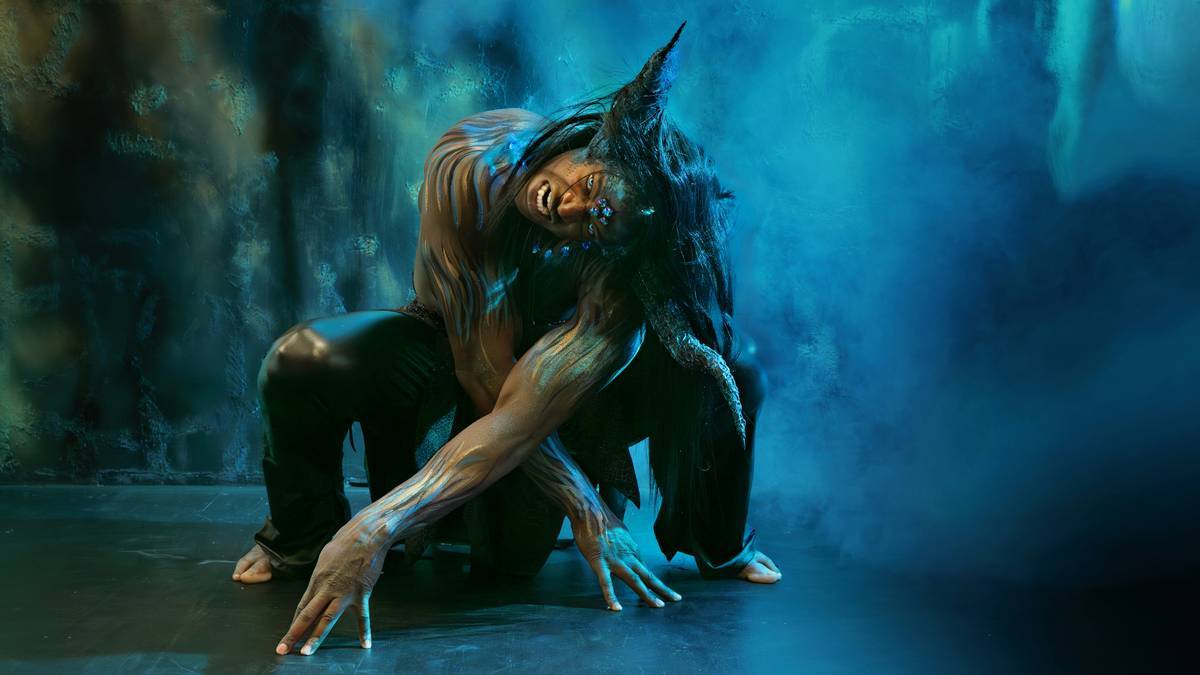
Here’s what no marketing team will admit: editors often reject manuscripts where the transformation is truly grotesque—joints cracking backward, fur erupting through bleeding skin, the loss of speech. Why? Because it “scares off YA buyers.” But teens aren’t fragile. They’re hungry for honesty. The most resonant werewolf books for teens lean into discomfort—because becoming yourself rarely looks pretty. One indie author told me their debut was shelved until they “softened the shift.” They pulled the book and self-published. It’s now a cult hit in high school book clubs.
Frequently Asked Questions
Are there werewolf books for teens without romance?
Yes. Titles like Hemlock and Spirit Animals focus on friendship, survival, and moral choices—not love triangles.
Do any werewolf books explore non-binary identity?
Emerging titles do. Look for indie publishers using lycanthropy as a metaphor for gender fluidity—where the wolf self defies binary labels.
What age is appropriate for violent werewolf content?
It varies. Some 13-year-olds handle Moon Called; others prefer tamer entries. Always check content notes—bone-breaking scenes aren’t for everyone.