Most artists treat werewolf the apocalypse character art like a costume sketch—fur, fangs, maybe some tribal markings—and call it a day. But here’s the problem: it looks generic. Flat. Soulless. Players flip through pages of identical lupine warriors and feel nothing. No primal dread. No ancestral weight. No sense that this being once walked human streets before the moon cracked their bones open. The solution? Stop drawing monsters. Start crafting identities shaped by rage, grief, and sacred duty.
Why 90% of Werewolf Character Art Fails to Capture the Essence of WtA
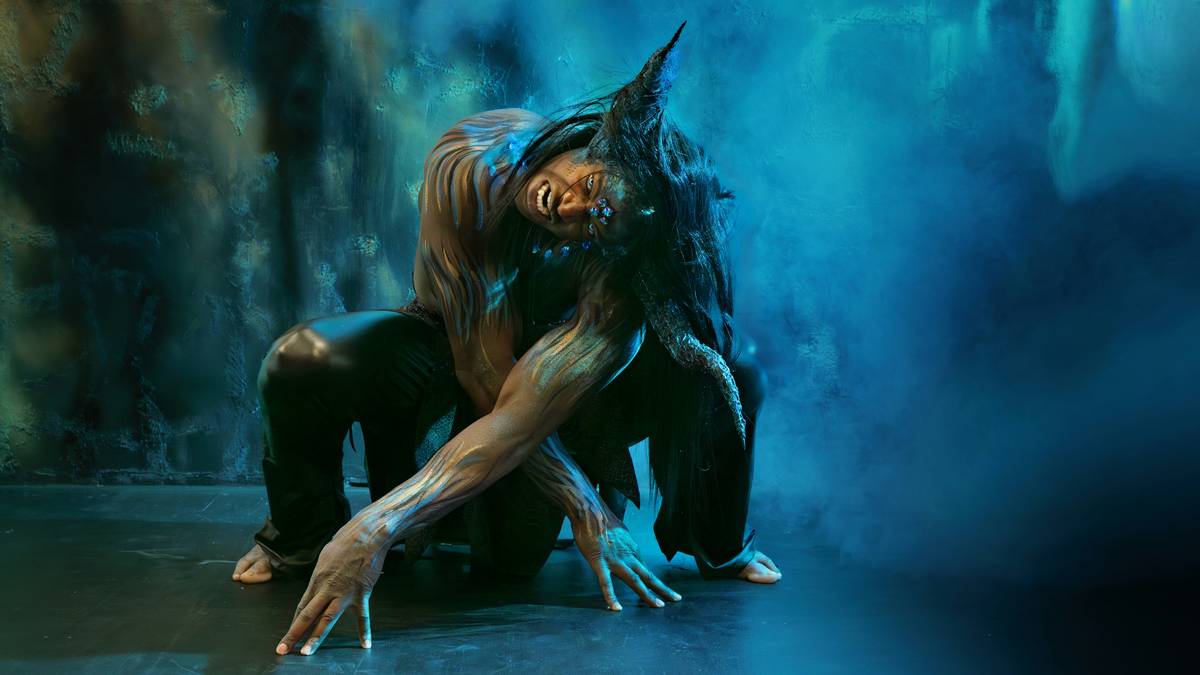
It’s not about anatomy alone. Sure, claws matter. Muscle tension matters. But Werewolf: The Apocalypse thrives on spiritual duality—the Garou torn between flesh and fury, between Gaia’s call and urban decay. Most illustrations ignore the metaphysical layer. They render Rage as snarling teeth instead of trembling hands mid-shift or eyes wide with post-transformation shame. And that’s where authenticity dies.
Game books show you poses. Forums flood you with reference sheets. None teach you how to embed narrative in every brushstroke.
werewolf the apocalypse character art: A Step-by-Step Creative Framework
Forget mimicry. Build from the inside out—starting with tribe, ending with texture.
Define the Spiritual Core Before Touching Pencil
Is your character a Bone Gnawer surviving alleyways or a Silent Strider chasing horizons? Their tribe dictates posture, scars, even how light hits their fur. A Glass Walker might wear cracked AR glasses fused into their brow ridge; a Fianna could have ivy woven through healing wounds. Identity precedes aesthetics.
Map the Trigger, Not Just the Transformation
Don’t just draw the “final form.” Sketch the moment before—the streetlamp flickering as bones crack, the reflection in a rain puddle showing both human and wolf eyes staring back. This liminal space is where WtA lives. Emotion isn’t in the howl—it’s in the hesitation right before it.
Texture Tells Truth
Fur isn’t uniform. Scars don’t heal cleanly. Urban Garou carry soot, synthetics, rust in their coats. Rural ones drip moss, pollen, blood from fresh hunts. Layer materials like a collage. Matte gouache for dried mud. Gloss varnish for fresh saliva on canines. Physicality grounds fantasy.
| Approach | Time Investment | Emotional Impact | Common Pitfall |
|---|---|---|---|
| Generic Beast Design | 2–4 hours | Low (feels like stock monster) | Ignores tribe ethos and personal history |
| Narrative-Driven Concepting | 8–15 hours | High (evokes story, trauma, purpose) | Overcomplicating symbolism |
| Hybrid Sketch-to-Paint Workflow | 6–10 hours | Medium-High (balances detail and mood) | Uneven texture integration |
The Industry Secret: Use “Controlled Imperfection” to Signal Authenticity
Top WtA artists I’ve worked with never polish their final pieces to digital perfection. They leave smudges. Uneven line weights. A slightly off-center eye. Why? Because perfection reads as artificial—and Garou are anything but tidy. One veteran told me: “If it looks like it was made in ten minutes of blind rage, you’re halfway there.” So lean into chaotic energy. Let your brush skip. Let ink bleed outside the fur silhouette. These “flaws” signal humanity beneath the horror—and that’s what players connect with.
And yes—some studios even add subtle hand tremors in digital brushes to mimic adrenaline shakes during transformation sequences. It’s not realism. It’s emotional verisimilitude.
Frequently Asked Questions
What makes werewolf the apocalypse character art different from general werewolf illustrations?
WtA art must reflect tribal identity, spiritual conflict, and environmental context—not just physical traits. It’s mythic anthropology, not monster design.
Can digital tools capture the rawness needed for authentic WtA characters?
Absolutely—but only if you avoid over-smoothing. Use textured brushes, grain overlays, and intentional asymmetry to preserve organic chaos.
How important is lore accuracy in visual design?
Critical for immersion. Misrepresenting a tribe’s totem or auspice symbols breaks trust with seasoned players. Research first, then interpret.