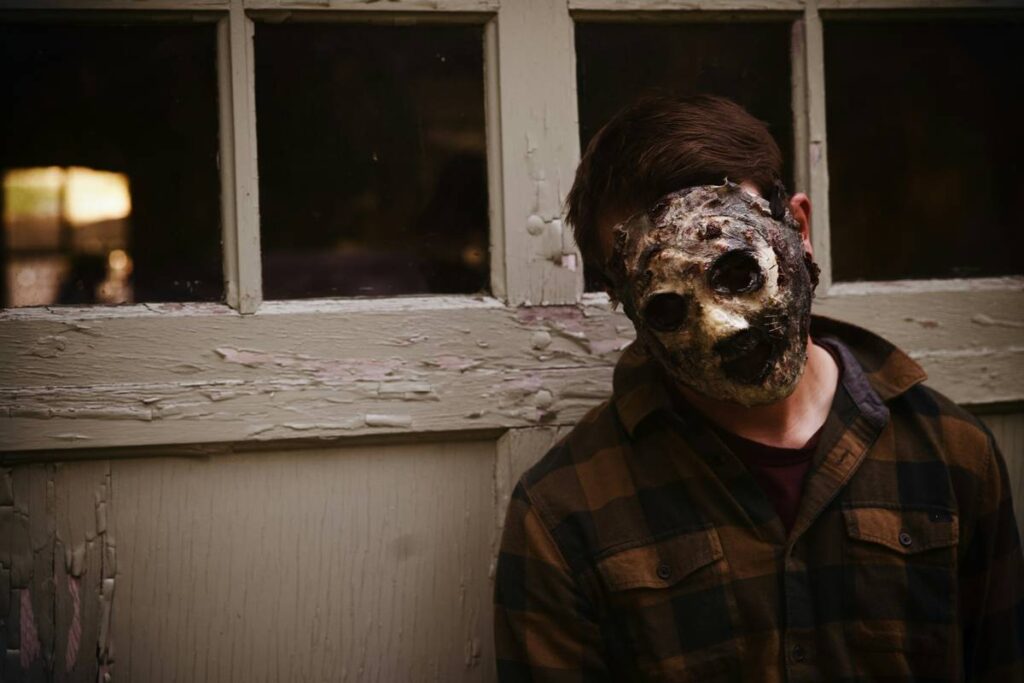
Most writers treat werewolf transformation like a costume change—fur sprouts, bones crack, done. But readers feel nothing. The horror’s gone. The awe’s missing. You’re left with a cliché in moonlight. Here’s the fix: werewolf writing tips that fuse visceral biology with emotional truth—so your beast isn’t just seen, it’s *felt*.
Why Your Werewolf Feels Flat (And Why Readers Scroll Past)
You researched silver myths. You mapped lunar cycles. You even timed the bone-cracking sounds. But none of it lands. Why? Because you’re writing the effect—not the terror behind it. Transformation isn’t spectacle. It’s violation. It’s losing control while your body becomes something primal, hungry, and alien.
And most guides ignore the psychology. They skip the panic between the first claw and the final howl. Big mistake.
Werewolf Writing Tips: A Step-by-Step Framework That Works
Forget “describe the fur.” Start from the inside. Make the reader ache with every tendon snapping into place.
Anchor the Human First
Your protagonist must be fully realized *before* the curse hits. Give them fears, regrets, a reason to dread losing themselves. If they’re already wrestling inner demons—jealousy, rage, shame—the wolf becomes an amplification, not a replacement.
Map the Physical Cascade
Transformation isn’t instant. It’s a brutal domino effect. Teeth shift before nails. Spine arches after tendons tear. Use medical realism—tendon avulsion, mandibular restructuring—to ground the surreal. Pain should escalate logically, not randomly.

Control the Sensory Overload
Don’t just list senses. Layer them chaotically. Smell overpowers sight. Hearing distorts rhythm. Taste turns metallic with blood from bitten cheeks. This isn’t perception—it’s sensory hijacking.
| Approach | Emotional Impact | Pacing Risk | Reader Immersion |
|---|---|---|---|
| Mythic/Symbolic (e.g., wolf as fate) | Moderate | Too slow; feels distant | Low—readers observe, not experience |
| Body Horror Focus (clinical detail) | High shock, low empathy | Overwhelming if unchecked | Medium—visceral but cold |
| Psychological + Physical Fusion | Very High | Balanced with careful pacing | Maximum—reader lives the change |
Write the Aftermath, Not Just the Change
The real story starts *after* dawn. Shame. Memory gaps. Blood under fingernails that aren’t yours. This is where guilt transforms into narrative propulsion.

The Industry Secret: Trauma Is Your Best Co-Author
Here’s what no one tells you: the most compelling werewolves mirror real trauma responses. Dissociation? That’s your character blacking out mid-rampage. Hypervigilance? Their human self flinching at dog barks weeks later. Hyperarousal? The trembling before the moon even rises.
Study PTSD literature—not for diagnosis, but for authenticity. When you root the supernatural in documented human reactions, readers don’t just believe your wolf—they recognize parts of themselves in its struggle. And that? That’s unforgettable fiction.
Frequently Asked Questions
How do I describe a werewolf transformation without clichés?
Focus on involuntary muscle contractions, distorted proprioception, and emotional whiplash—not glowing eyes or ripped shirts. Anchor each physical change to a psychological consequence.
Should the transformation hurt?
Yes—but intelligently. Pain should escalate from deep tissue ache to nerve-fire agony, mirroring real injury patterns. Avoid cartoonish “crunch” sounds; think torn ligaments, not breaking twigs.
Can my werewolf retain human thoughts during the change?
Absolutely—and it’s more terrifying that way. Full awareness during loss of control creates unbearable tension. Let them scream internally as their jaws unhinge.