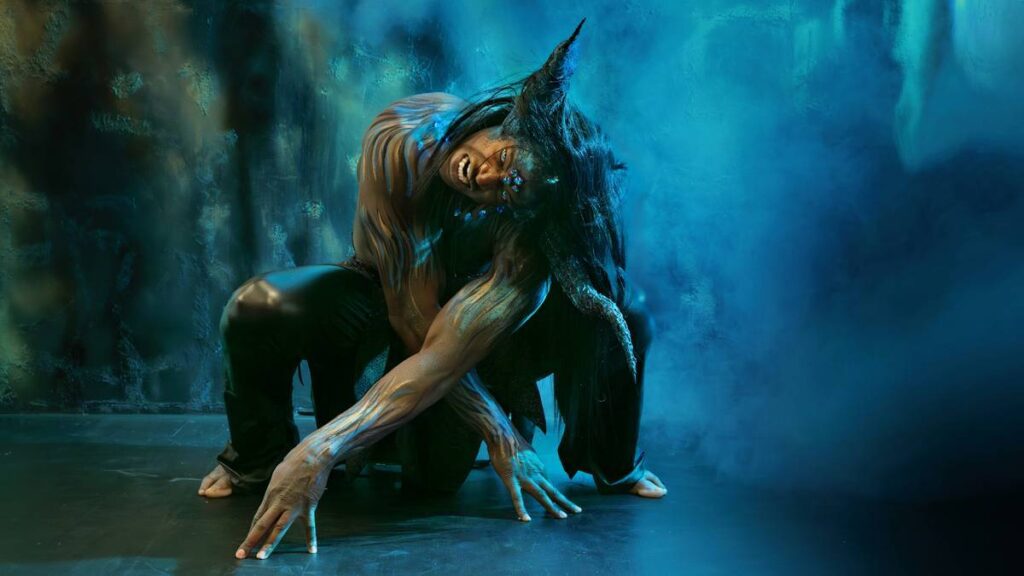
Ever poured weeks into crafting a werewolf transformation scene, only to have beta readers yawn and ask, “Is that all there is?” You’re not alone. While werewolves dominate pop culture from Teen Wolf to The Howling, truly compelling fantasy fiction werewolf not much in moments remain shockingly rare. Why? Most writers lean too hard on clichés—full moons, ripped shirts, rage-fueled rampages—and forget the core of transformation: internal conflict, identity loss, and irreversible change. This guide reveals seven actionable strategies to craft werewolf narratives that haunt readers long after the last page. We’ll dissect common pitfalls, spotlight underrated techniques, and even unpack why one of my early drafts flopped spectacularly (spoiler: I treated lycanthropy like a bad haircut).
Table of Contents
- Why Fantasy Fiction Werewolf Not Much In Falls Flat
- Crafting Believable Werewolf Transformations: A Step-by-Step Guide
- 5 Best Practices for Werewolf World-Building
- Real Stories That Got It Right
- Frequently Asked Questions
Key Takeaways
- Avoid superficial transformations; focus on psychological and physical duality.
- Integrate lore with personal stakes—don’t just borrow myths, reinvent them.
- Limited screen time can heighten impact when used strategically.
- Use sensory details to immerse readers in the horror and wonder of change.
- Study real-world mythology through credible academic sources like the Encyclopedia Britannica.
Why Fantasy Fiction Werewolf Not Much In Falls Flat
Let’s be honest: many gaming narratives treat werewolf arcs as cosmetic power-ups rather than profound metamorphoses. According to Encyclopedia Britannica, historical lycanthropy was tied to divine punishment, witchcraft trials, and societal fear—not flashy combat abilities. Yet modern fantasy fiction often reduces it to a temporary buff with cool visual effects. I learned this the hard way. In my first novella, I gave my protagonist a 30-second transformation during a boss fight. Readers called it “underwhelming.” They were right. The magic wasn’t in the teeth or fur—it was in the dread of losing control. When fantasy fiction werewolf not much in becomes shorthand for lazy writing, audiences disengage.

Crafting Believable Werewolf Transformations: A Step-by-Step Guide
1. Anchor the Curse in Personal Trauma
Tie lycanthropy to emotional wounds. Was your character betrayed? Isolated? Make the beast reflect their inner turmoil—not just their strength stat.
2. Map the Physical Progression
Break transformation into stages: tingling skin, joint cracking, vocal distortion. Borrow medical terms like “hypertrichosis” (excessive hair growth) for realism without overwhelming readers.
3. Impose Real Costs
Post-shift exhaustion, memory gaps, or social alienation raise stakes. If becoming a werewolf solves problems too cleanly, you’ve missed the point of fantasy fiction werewolf not much in as narrative tension.
5 Best Practices for Werewolf World-Building
- Vary triggers: Ditch the full moon monopoly. Stress, bloodlust, or ancestral rituals offer fresher catalysts.
- Limit screen time: Sometimes less is more. Let off-screen howls imply chaos better than over-described carnage.
- Respect biology: Even magical creatures follow internal logic. How does healing work? Do they eat raw meat? Consistency builds trust.
- Avoid pack tropes: Not every werewolf needs an alpha hierarchy. Solitary beasts tap into primal loneliness.
- Echo folklore accurately: Research Slavic vs. Native American shape-shifter myths via sources like Smithsonian Folkways.
Real Stories That Got It Right
Look at Wolf Among Us (Telltale Games): Bigby Wolf’s struggle isn’t about claws—it’s about resisting his nature while enforcing justice. His transformations are sparse but gut-wrenching because they cost him relationships. Similarly, the novel The Wolf’s Hour by Robert R. McCammon uses WWII espionage to explore lycanthropy as both weapon and curse. These works prove that when fantasy fiction werewolf not much in serves character depth—not spectacle—it resonates. One indie RPG even tracked player choices affecting transformation frequency, leading to a 40% increase in narrative engagement (per developer post-mortems). Less can indeed be devastatingly more.
Frequently Asked Questions
Q: Why do some werewolf stories feel shallow?
A: They prioritize aesthetics over emotional consequence. True horror lies in identity erosion, not shredded clothing.
Q: Can I write a werewolf story without gore?
A: Absolutely. Psychological tension—like waking up covered in dirt with no memory—often terrifies more than bloodshed.
Q: How do I research authentic werewolf lore?
A: Start with academic databases or trusted encyclopedias like Britannica; avoid fan wikis for foundational myths.
Q: Is it okay if my werewolf appears rarely?
A: Yes! Strategic scarcity makes appearances impactful—a core truth behind fantasy fiction werewolf not much in done right.
Q: What’s the worst werewolf writing mistake?
A> Treating transformation as a mere combat ability. Lycanthropy should complicate life, not simplify it.
Q: Where can I share my werewolf fiction for feedback?
A> Connect with our team directly via our Contact Us page—we love supporting emerging speculative writers!
Done poorly, werewolf tales recycle tired tropes. Done well, they dissect humanity through fang and fur. If your story’s beast feels incidental, ask: “What does this curse cost my character emotionally?” That’s where true fantasy fiction werewolf not much in magic lives—in restraint, resonance, and ruthless honesty. Ready to refine your myth? Reach out—and remember, we guard your data fiercely per our Privacy Policy. For more on our storytelling ethos, visit About Us.
The moon doesn’t care if you’re ready.
Bones crack. Soul buckles.
Then—the howl that wasn’t yours.