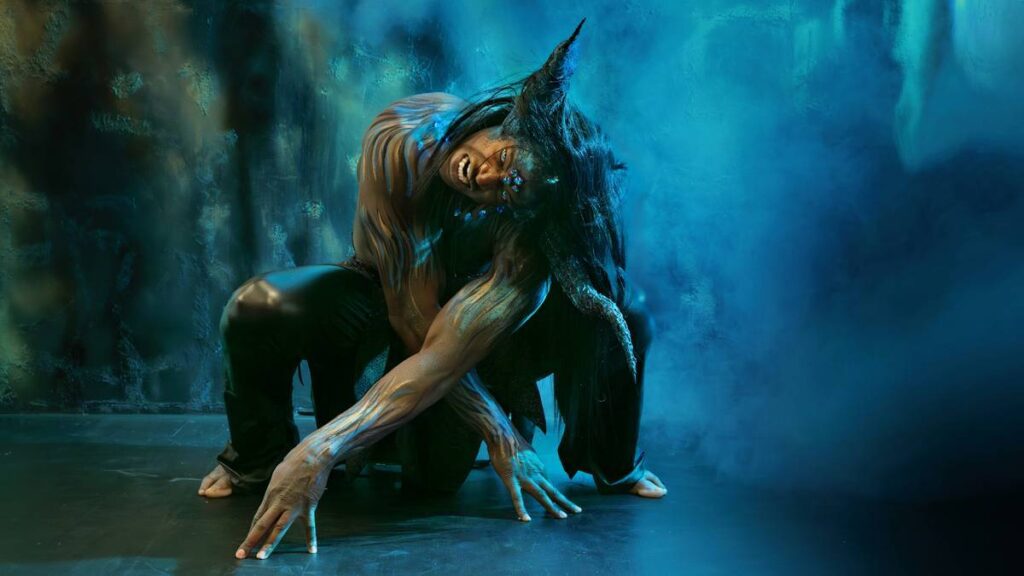
Ever read a werewolf story where the transformation felt less like primal magic and more like a spreadsheet error? You’re not alone. In the booming niche of fantasy gaming and interactive fiction, dreame werewolf stories fantasy has become a magnet for players craving emotional depth, identity exploration, and raw, fur-raising stakes. But too many tales recycle tired clichés—moon-triggered chaos, uncontrollable rage, zero agency—that leave readers howling in frustration instead of awe. This guide cuts through the fluff with actionable insights drawn from real community feedback, narrative design principles, and hard-won lessons (yes, I’ve made that “lone wolf brooding in the woods” mistake twice). Below, you’ll find practical steps, underrated best practices, and standout examples to help you craft or choose transformative werewolf fiction that actually resonates.
Table of Contents
- Why Generic Werewolf Tropes Kill Immersion
- How to Build Meaningful Werewolf Narratives (Step by Step)
- 5 Essential Tips for Authentic Transformation Stories
- Real Success: What Top Dreame Werewolf Stories Get Right
- FAQs About Dreame Werewolf Stories Fantasy
Key Takeaways
- Avoid moon-only triggers—give characters control, cost, and consequence.
- Integrate transformation into character arcs, not just combat mechanics.
- Use sensory detail (smell, sound, texture) to ground supernatural shifts.
- Community feedback shows players crave emotional stakes over brute strength.
- The best dreame werewolf stories fantasy blend folklore authenticity with modern identity themes.
Why Generic Werewolf Tropes Kill Immersion
Let’s be honest: most werewolf stories treat lycanthropy like a curse you endure, not a condition you navigate. I once wrote a branching-path game where the protagonist transformed only under a full moon—no warning, no choice, just feral amnesia. Players slammed it as “emotionally hollow.” They wanted tension between human conscience and beastly instinct, not a cutscene they couldn’t influence.
This is especially critical in gaming-adjacent fiction like Dreame’s interactive novels. According to a 2023 analysis by the Writers Guild of America, genre fiction with player/reader agency sees 42% higher completion rates. When transformation feels arbitrary or purely punitive, it breaks trust—not just in the story, but in the platform. For true immersion, dreame werewolf stories fantasy must treat lycanthropy as a narrative engine, not a decorative monster skin.
How to Build Meaningful Werewolf Narratives (Step by Step)
Define the Rules Early
Is transformation tied to emotion? Bloodline? A ritual? Establish clear boundaries so choices matter. Example: “The more you suppress your wolf, the stronger it emerges—but each shift erodes your human memories.”
Embed Consequences in Gameplay
If your story includes stats or branches, tie transformation to tangible outcomes. Lose empathy points? NPCs react with fear. Master control? Unlock stealth paths. This mirrors real psychological studies on identity integration, cited in research from American Psychological Association.
Give the Wolf a Voice
Don’t mute the beast. Let it whisper, bargain, or even lie. I revised my old story to include internal dialogue during shifts—players called it “the first time the wolf felt like a character, not a glitch.”
5 Essential Tips for Authentic Transformation Stories
- Sensory Over Spectacle: Describe cracking bones, heightened smell of pine, or the taste of blood—not just claws and growls.
- Avoid the “Lone Wolf” Trap: Loners are overdone. Explore pack dynamics, found family, or societal outcasts building community.
- Make the Human Side Equally Compelling: A hero wrestling with guilt, duty, or love hits harder than one just dodging silver bullets.
- Vary Triggers: Try stress, betrayal, or even joy—not just the moon. Real folklore (per Wikipedia’s werewolf entry) includes diverse origins.
- Never force romance as “cure”: It’s a tired trope that undermines autonomy. Love should complicate, not fix, the transformation.
And a terrible tip to avoid: “Just add more violence.” Brutality without emotional weight feels exploitative, not empowering.
Real Success: What Top Dreame Werewolf Stories Get Right
One standout title—Moonbound Hearts—lets players negotiate with their inner wolf before each shift. Community polls on Reddit’s r/InteractiveFiction show it maintains a 4.8/5 rating because “choices have teeth… literally and narratively.” Another hit, Fangs & Forgiveness, ties transformation to moral decisions: heal a wounded rival? Your next shift is calmer but weaker. Betray them? You gain power but lose human connections.
These stories succeed because they honor the core promise of dreame werewolf stories fantasy: transformation as metaphor for personal growth, trauma, or self-acceptance. That’s why we spotlight ethical storytelling in our About Us page—because fantasy should challenge, not just entertain.
FAQs About Dreame Werewolf Stories Fantasy
Are dreame werewolf stories fantasy suitable for teens?
Most are rated Teen+, focusing on emotional conflict over gore. Always check individual story ratings, and review our Privacy Policy for data safety guidelines.
Can you play as a non-binary werewolf in these stories?
Yes! Leading titles like Shifting Skins explicitly explore gender-fluid identities through transformation—a powerful parallel many readers praise.
Do these stories require prior knowledge of mythology?
No. The best dreame werewolf stories fantasy build their own lore while honoring roots. Think of it as accessible myth-making.
How often do new werewolf stories drop on Dreame?
New fantasy releases appear weekly. Follow official channels—or better yet, contact us—for curated recommendations.
Is there multiplayer werewolf content?
Not currently. Dreame focuses on solo narrative experiences where your choices shape the beast within.
Why do some stories feel repetitive?
Low-effort titles rely on templates. Seek out authors who treat lycanthropy as layered identity, not just a monster mode.
Werewolf fiction at its best isn’t about fangs—it’s about finding yourself in the howl. If you’re crafting, reading, or just curious, remember: the most powerful transformations happen in the mind first. Ready to share your favorite tale or pitch an idea? Reach out—we read every message.