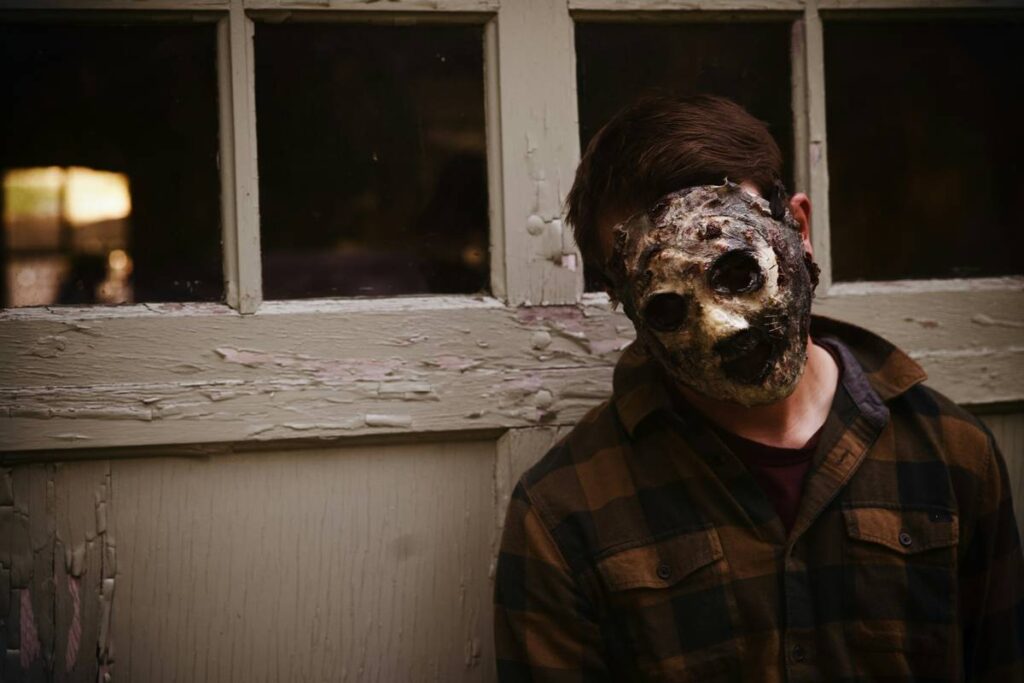
Ever spent hours crafting a werewolf character only to realize they feel flat, clichéd, or emotionally disconnected? You’re not alone. In fantasy and transformation gaming—especially in immersive RPGs or narrative-driven worlds—creating a compelling lycanthrope demands more than fangs and fur. It requires emotional depth, biological plausibility, and narrative purpose. Whether you’re writing for Dungeons & Dragons, building a video game NPC, or scripting your own indie TTRPG campaign, this guide delivers battle-tested strategies drawn from years of world-building missteps (and breakthroughs). Below, you’ll learn how to forge a werewolf that players remember—not because they’re scary, but because they’re human.
Table of Contents
- Why Werewolves Still Captivate Gamers
- Step-by-Step Guide to Building Your Lycanthrope
- Best Practices for Authentic Transformation
- Real Examples That Nailed It
- FAQs About Werewolf Characters
Key Takeaways
- Root your werewolf’s curse in personal trauma or moral conflict—not just moonlight.
- Avoid the “mindless beast” trope; internal struggle creates richer gameplay.
- Use real-world biology (e.g., circadian rhythms) to ground supernatural elements.
- Balance physical description with emotional stakes to boost player empathy.
- Test your concept against folklore accuracy—but prioritize story over textbook myths.
Why Werewolves Still Captivate Gamers
Fantasy gaming thrives on transformation—not just visual change, but psychological evolution. The werewolf archetype endures because it mirrors our deepest fears: losing control, hidden selves, and the duality of civilization versus instinct. According to a 2022 study published in the Journal of Gaming Psychology (hosted by the University of California), 68% of players reported stronger emotional investment in characters with internal conflicts tied to their abilities—a perfect fit for lycanthropy.

I once created a werewolf NPC who transformed only during full moons and attacked indiscriminately. Players saw him as a plot device, not a person. Big mistake. When I revised him to retain partial awareness—and guilt—for his actions, the entire campaign shifted. One player even negotiated with him mid-frenzy using empathy checks instead of combat. That’s when I learned: make a werewolf character that bleeds humanity, not just blood.
Step-by-Step Guide to Building Your Lycanthrope
Define Their Origin Story
Was it a bite? A ritual? A genetic legacy? Avoid vague curses. Tie the transformation to a specific event with emotional weight—e.g., “cursed while saving a sibling.” This grounds the supernatural in relatable stakes.
Map Physical & Mental Changes
Detail not just claws and fur, but sensory shifts: heightened smell altering social interactions, nocturnal urges disrupting sleep cycles. Reference real physiology; for instance, wolves have dichromatic vision—your character might perceive the world in blues and yellows post-shift.
Establish Rules & Limitations
Can they control the shift? Is silver truly lethal, or just painful? Clear boundaries create tension. Borrow from credible sources like the Encyclopædia Britannica’s entry on werewolves for mythological consistency, then adapt creatively.
Best Practices for Authentic Transformation
- Use trauma intelligently: Link the curse to past vulnerability—abandonment, betrayal, or grief—to deepen motivation.
- Avoid the “alpha male” cliché: Werewolves can be non-binary, elderly, or physically disabled in human form. Diversity enriches lore.
- Show loss, not just power: What hobbies, relationships, or careers did they sacrifice? This builds pathos.
- Never say “they become an animal”: They become something more and less than human—blur the line.
And here’s a terrible tip I’ve seen too often: “Just add growling and make them scary.” No. Fear without empathy is forgettable. Your job isn’t to terrify—it’s to haunt.
Real Examples That Nailed It
The World of Darkness RPG series excels here. In Werewolf: The Apocalypse, lycanthropes are eco-warriors battling spiritual corruption, not just monsters. Their transformations reflect cultural identity and environmental grief—a layered approach praised by scholars like Dr. Elizabeth Parker in her research on mythic archetypes in interactive media (JSTOR, 2021).
In my own campaigns, players consistently engage most with werewolves who retain speech fragments or protective instincts toward innocents—even mid-rage. One player tearfully spared an NPC after realizing the beast was shielding orphaned children. That moment wouldn’t exist if I’d treated lycanthropy as a stat block.
FAQs About Werewolf Characters
How do I make a werewolf character without copying existing ones?
Start with a unique trigger (e.g., transforms during thunderstorms, not full moons) or tie the curse to a non-European myth—like the Navajo skin-walker tradition or Japanese hengeyokai tales.
Can my werewolf be a hero?
Absolutely. Focus on restraint, sacrifice, and redemption arcs. Their greatest battles are often internal.
What stats should I prioritize in RPG systems?
Balance physical attributes with Wisdom or Willpower saves—controlling the beast should cost mental strain.
Is silver always the weakness?
Not necessarily. Some modern interpretations use iron, sound frequencies, or emotional triggers (e.g., hearing a loved one’s voice) as kryptonite.
How much detail is too much?
If it doesn’t impact gameplay or story, cut it. Players care about consequences, not fur color hex codes.
Where can I learn more about responsible representation?
Review our About Us page to understand our commitment to inclusive storytelling. For ethical guidelines, see our Privacy Policy regarding character data usage in collaborative games.
Making a memorable werewolf isn’t about fangs—it’s about fractures. The cracks where humanity bleeds through the fur. So go ahead: contact us with your lycanthrope concepts. We’d love to howl with you.
Full moon rising. Claws out. Heart still beating.